
Get Split Rail Fence Installation
Local contractors can install split rail fences to define property boundaries, enhance privacy, or add a rustic touch to various outdoor projects.
If you are considering a split rail fence installation, you are in the right place to explore your options. Property owners often choose this classic fencing style for its natural appearance, durability, and ability to define boundaries effectively. Whether you're looking to enhance privacy, improve security, or simply add a traditional touch to your landscape, local contractors experienced in split rail fence work can provide guidance tailored to your property’s needs. Keep reading to discover how the right service provider can help you plan and execute a fencing project that aligns with your goals.
Comparing local contractors who specialize in split rail fence installation can ensure you find a solution that fits your property and preferences. Many property owners consider factors like material quality, craftsmanship, and experience when evaluating options. By exploring your local choices, you can gather the information needed to make an informed decision and connect with service providers capable of handling your project with expertise. Continue browsing to learn more about how to plan your fencing project and find the right professionals to bring your vision to life.
- Split Rail Fence Installation - needed when defining property boundaries or creating a rustic aesthetic for a yard.
- Split Rail Fence Repair - required after weather damage or aging causes sections to become unstable.
- Split Rail Fence Replacement - necessary when existing fencing has deteriorated beyond repair or no longer meets property needs.
- Split Rail Fence Customization - sought when homeowners want to add decorative touches or specific design features.
- Split Rail Fence Maintenance - important for preserving the appearance and functionality of the fence over time.
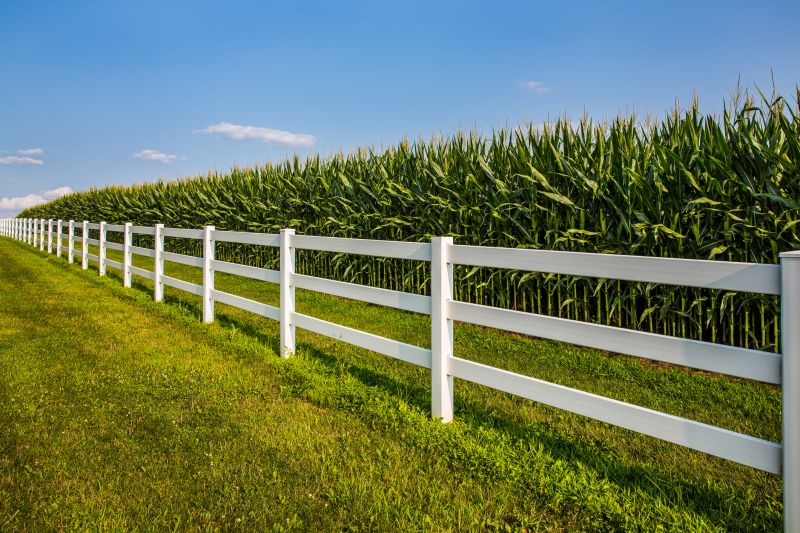
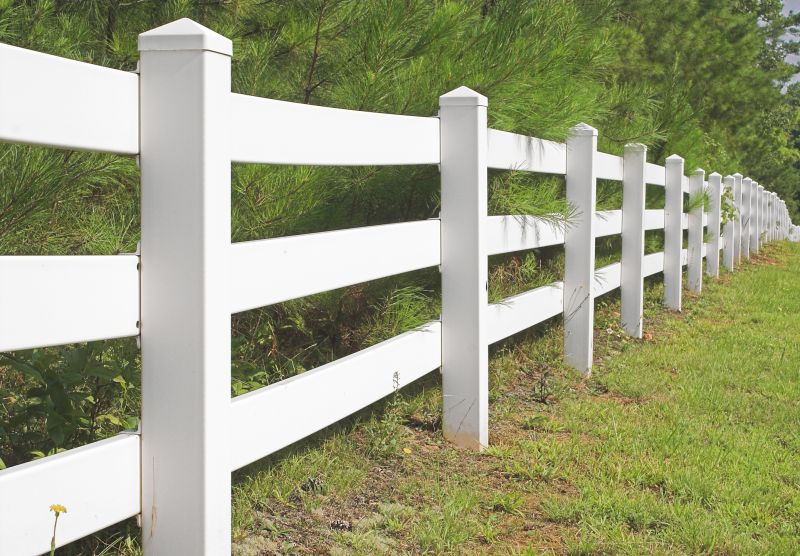
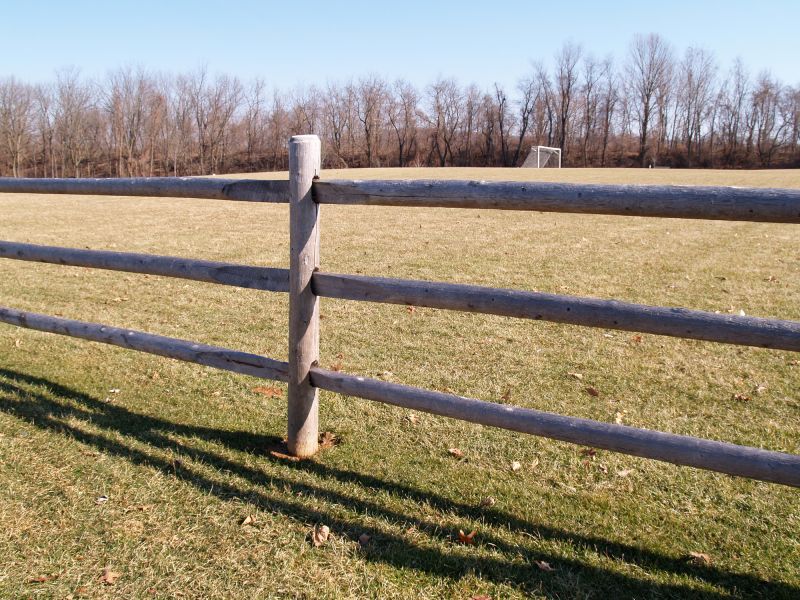
Split rail fence installation involves setting up a traditional fencing style that uses evenly spaced horizontal rails supported by vertical posts. This type of fence is typically constructed using wood or other durable materials, and it is known for its simple, rustic appearance. The installation process includes measuring and preparing the property, setting sturdy posts into the ground, and attaching the rails securely. This straightforward design makes it a popular choice for defining property boundaries, creating a classic look, and providing a functional barrier.
One of the primary reasons property owners seek split rail fencing is to address specific problems such as controlling livestock, marking property lines, or preventing unauthorized access. It is especially effective in rural or semi-rural settings where a natural, unobtrusive barrier is desired. Additionally, split rail fences can help contain pets or livestock while maintaining an open view of the landscape. For homeowners looking for a low-maintenance, visually appealing fencing option, professional installation ensures the fence is properly aligned, stable, and long-lasting.
Split rail fences are often used on larger properties, farms, ranches, and estates, where their open design complements the landscape and provides functional boundary marking. They are also suitable for properties that prioritize a traditional or country aesthetic. While they can be installed on smaller residential lots, they are most common in settings where a rustic appearance and practical boundary solutions are needed. Local contractors experienced in split rail fencing can help determine the best placement and materials to suit the specific needs of each property.
Property owners may consider split rail fencing to improve privacy minimally, as the open design allows visibility through the gaps. It also offers a cost-effective way to define a space without creating a fully enclosed barrier. When installed by experienced local service providers, a split rail fence can enhance the property's appearance, provide a clear boundary, and serve functional purposes such as containing animals or preventing trespassing. Contacting local contractors can help identify the most suitable fencing options for individual property requirements.
The overview below groups typical Split Rail Fence Installation projects into broad ranges so you can see how smaller, mid-sized, and larger jobs often compare in your area.
In many markets, a large share of routine jobs stays in the lower and middle ranges, while only a smaller percentage of projects moves into the highest bands when the work is more complex or site conditions are harder than average.
Smaller Repairs - Fixing or replacing sections of a split rail fence typically costs between $250 and $600 for many routine jobs. These projects usually involve minor repairs or replacement of a few posts and rails, which local contractors can handle efficiently.
Basic New Installations - Installing a new split rail fence around a small yard or garden generally ranges from $1,200 to $3,000. Many standard projects fall within this band, depending on the length and materials used.
Mid-Range Projects - Larger, more complex installations such as fencing around larger properties or with added features can range from $3,000 to $6,000. While some projects may reach higher costs, most fall into this middle tier.
Full Replacement or Custom Fencing - Complete removal and replacement of an existing fence or custom designs can cost $6,000 or more, with larger or intricate projects reaching $10,000+. These higher-end jobs are less common but handled by local pros for specialized needs.
Actual totals will depend on details like access to the work area, the scope of the project, and the materials selected, so use these as general starting points rather than exact figures.
Wood Fencing Projects - local contractors skilled in installing various wood fence styles often have the experience needed for split rail fence installation due to similar framing and material handling techniques.
Landscape Boundary Fencing - professionals who create boundary fences for gardens and yards utilize planning and post-setting skills comparable to those used in split rail fence projects.
Garden and Yard Enclosures - installing decorative or functional enclosures around gardens involves similar planning and material installation skills as split rail fencing.
Retaining Wall Construction - building retaining walls requires knowledge of structural planning and material placement, which aligns with the skills used in installing split rail fences.
Outdoor Structure Installation - setting up outdoor structures like trellises or arbors shares planning and tool use with split rail fence installation projects.
Terrain Preparation and Grading - preparing land for fencing or other outdoor features involves site assessment and groundwork skills common to split rail fence installation.
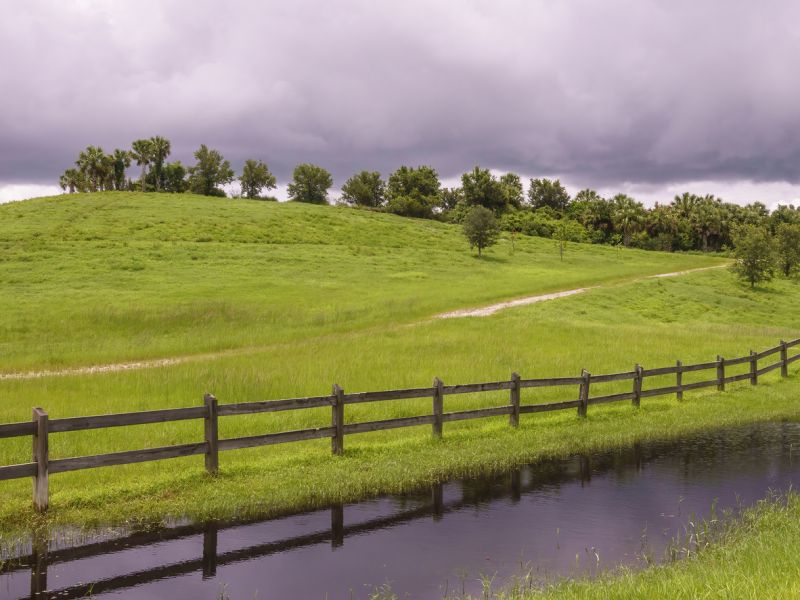
When evaluating service providers for Split Rail Fence installation, it is important to consider their experience with similar projects. Homeowners should look for local contractors who have a proven track record of completing fence installations comparable in scope and style. An experienced professional will be familiar with the nuances of working with split rail materials, local regulations, and common site challenges, which can contribute to a smoother process and a more durable result.
Clear, written expectations are essential to ensure that both the homeowner and the contractor are aligned on the project’s scope, materials, and responsibilities. When comparing options, it’s helpful to review detailed proposals or estimates that outline the work to be performed, the materials to be used, and the approximate timeline. This transparency helps prevent misunderstandings and provides a reference point for evaluating the professionalism and thoroughness of each service provider.
Reputable references and strong communication skills are also key indicators of a reliable local contractor. Homeowners should seek out service providers who can provide contact information for previous clients or showcase a history of satisfied customers. Good communication throughout the project-such as prompt responses to questions and clear updates-can significantly impact the overall experience. It’s important to choose local pros who demonstrate professionalism, responsiveness, and a commitment to understanding and meeting the homeowner’s needs.
Property owners use Split Rail Fence Installation services for practical projects around their homes and businesses. This guide focuses on everyday jobs and straightforward project options.
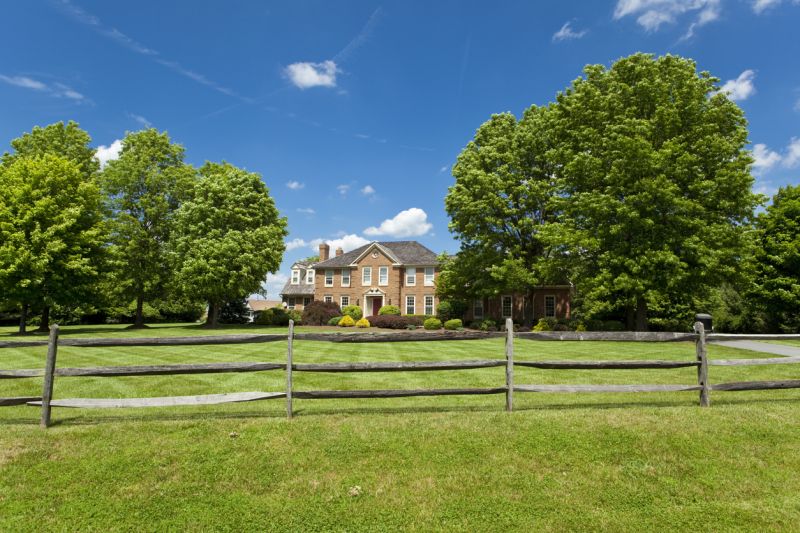
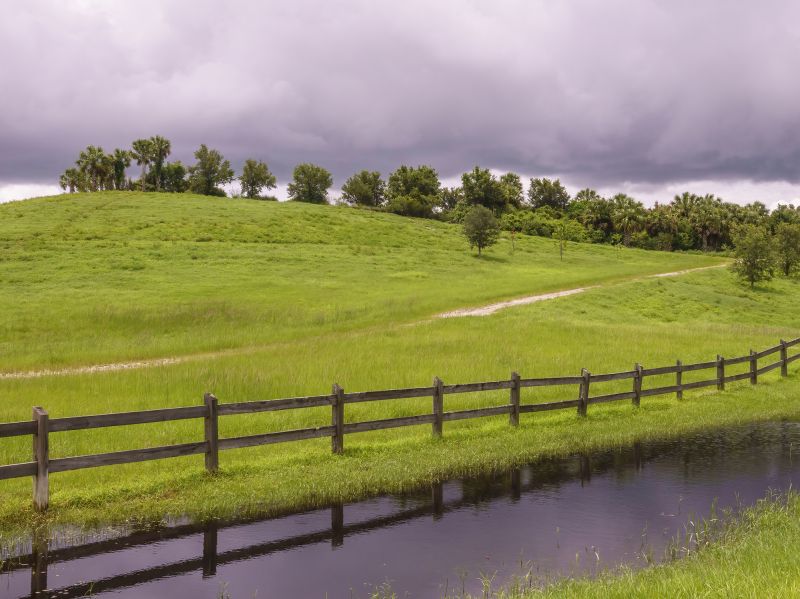
Split rail fence installation is a common project for property owners looking to define boundaries, enhance privacy, or add a rustic touch to their outdoor space. Local contractors are often called upon to help with fencing around residential yards, farms, or commercial properties, especially when existing fences need repairs or new ones are needed to improve security. These projects can be straightforward, such as replacing old fencing or extending existing boundaries, making them accessible for homeowners and property managers alike.
Property owners may seek split rail fencing services for practical reasons like keeping pets or livestock contained, preventing unauthorized access, or simply improving the aesthetic appeal of their property. Local service providers are experienced in handling various project sizes, from small residential lots to larger acreage, ensuring that fences are installed securely and in accordance with property lines. Connecting with nearby contractors can help property owners find solutions suited to their specific fencing needs.
What is a split rail fence? A split rail fence is a type of fencing made from wooden logs that are split and stacked to create a rustic, open design suitable for defining property boundaries or containing livestock.
What are the benefits of choosing a split rail fence? Split rail fences offer a natural aesthetic, are relatively easy to install, and require minimal maintenance, making them a popular choice for rural and decorative fencing needs.
Can local contractors customize split rail fences? Yes, many service providers offer customization options such as varying the height, length, and wood type to match specific property styles or functional requirements.
What types of wood are commonly used for split rail fences? Common woods include cedar, pine, and oak, each providing different durability and appearance options suitable for various climates and preferences.
How do local pros handle the installation of split rail fences? Experienced contractors typically prepare the site, select appropriate materials, and carefully install the posts and rails to ensure stability and a clean appearance.
Property Boundary Definition - Install a split rail fence to clearly mark property lines and prevent accidental encroachments.
Garden Enclosure - Use split rail fencing to create a defined space for flower beds, vegetable gardens, or outdoor seating areas.
Livestock and Pet Containment - Set up a sturdy barrier to keep pets or small farm animals safely within designated outdoor areas.
Aesthetic Landscaping - Enhance curb appeal by adding a classic, rustic look to yards and driveways with split rail fencing.
If you are thinking about Split Rail Fence Installation for a property, this guide is meant to help you understand the work, the typical project types, and how different options might fit your plans.
When you are ready, you can use the quote form on this page to share a few details about your project. From there, local pros can review the basics and respond with options that match what you have in mind.